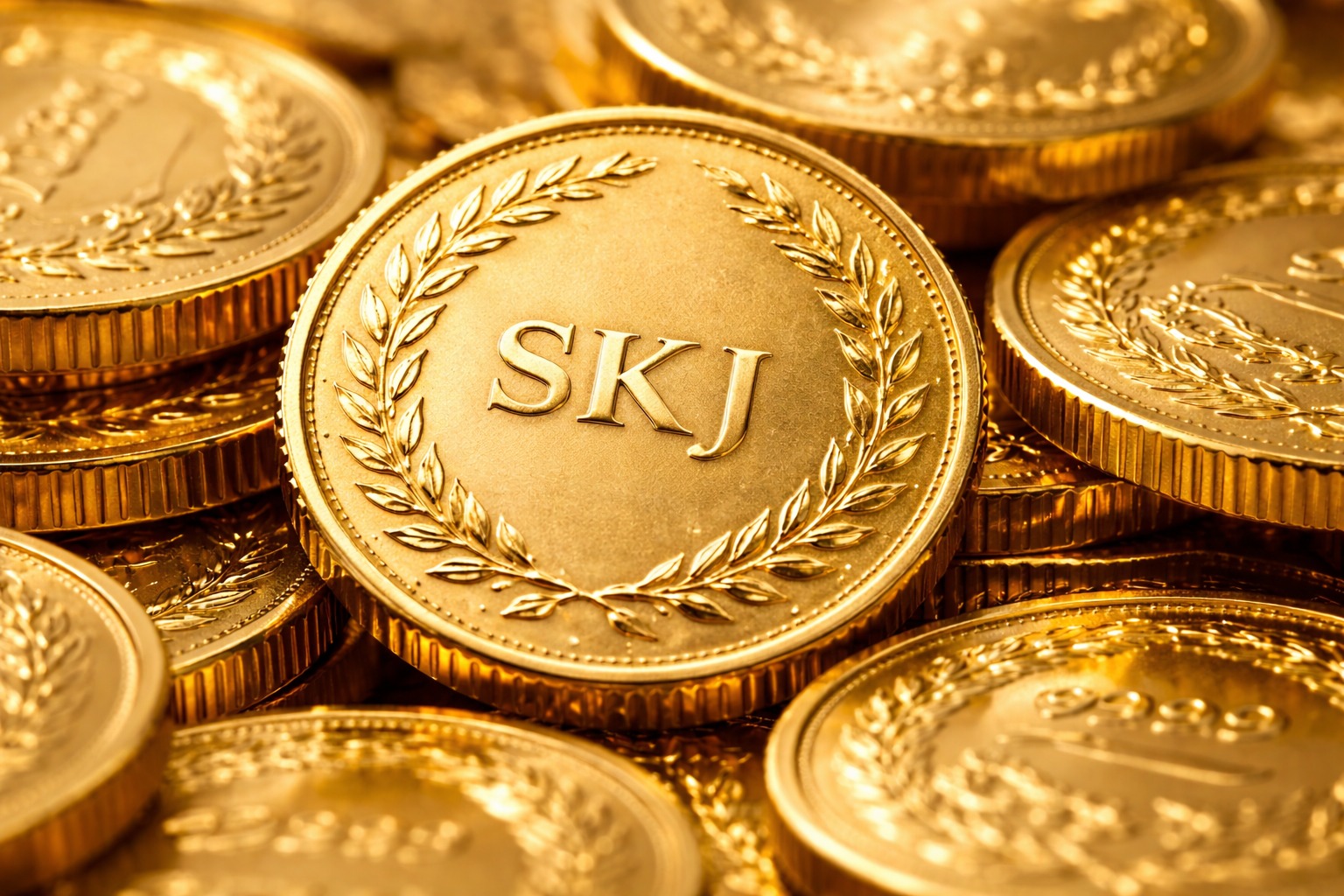
Gold coins often carry small letters, symbols, or marks stamped on them. One mark people sometimes notice is “SKJ.” If you have seen SKJ on a gold coin, you may wonder what it means and whether it affects the coin’s value. Here is a simple explanation.
What Does SKJ Mean on Gold Coins?
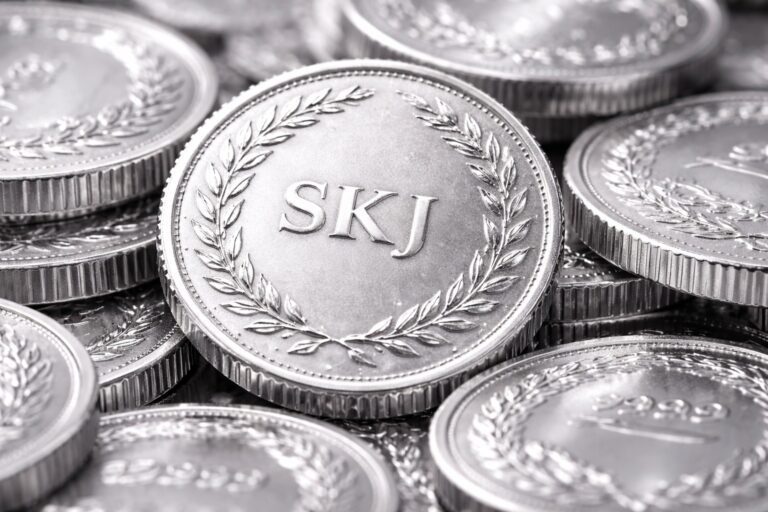
The letters SKJ are usually a mint mark, jeweler mark, or manufacturer mark. These initials identify the company, mint, or jeweler that produced or certified the gold coin. Many gold coins, especially those sold as jewelry coins or investment coins, include such marks to show authenticity.
In most cases, SKJ refers to the initials of a specific jeweler or manufacturer rather than the purity of the gold.
Does SKJ Indicate Gold Purity?
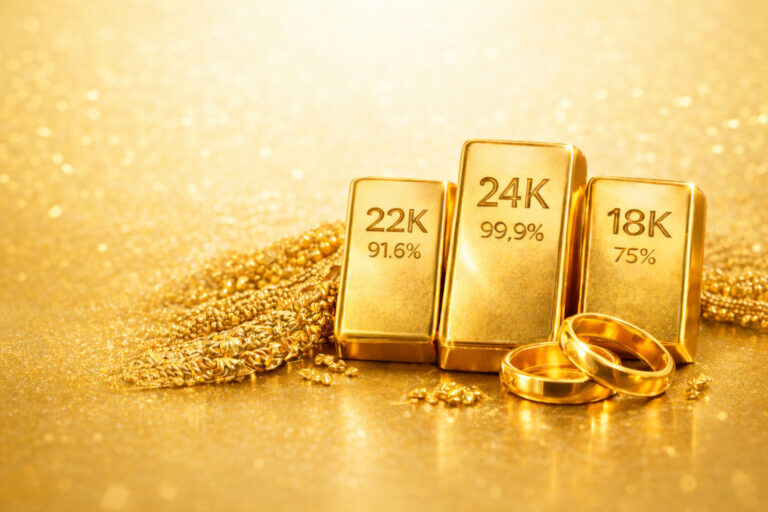
No, SKJ does not indicate purity. Gold purity is usually shown separately with markings such as:
- 999 / 999.9 – 24K pure gold
- 916 – 22K gold
- 750 – 18K gold
- 585 – 14K gold
If your coin has SKJ along with one of these numbers, the number represents the purity while SKJ represents the maker.
Why Gold Coins Have Maker Marks
Maker marks like SKJ serve several purposes:
Authentication: Identifies the producer of the coin.
Brand identity: Some jewelers stamp their initials for recognition.
Quality assurance: Shows the coin came from a specific manufacturer.
Maker marks like SKJ serve several purposes:
Does SKJ Affect the Value of the Coin?
Generally, the value of a gold coin depends mainly on:
- Gold purity
- Weight of the coin
- Current gold market price
- Rarity or collectible value
The SKJ mark itself usually does not add extra value, unless the coin is from a rare or collectible mint.
How to Verify an SKJ Gold Coin
If you have a gold coin with the SKJ mark, you can check its authenticity by:
Looking for a purity mark (like 916 or 999)
Checking for a BIS hallmark (in India)
Getting it tested by a trusted jeweler or gold testing machine
The SKJ mark on a gold coin typically represents the initials of the manufacturer or jeweler who produced the coin. It does not indicate gold purity but helps identify the origin of the coin. The real value of the coin depends on its purity, weight, and current gold price.