
Gold is one of the most valuable and widely used precious metals in the world. It is commonly used in jewelry, coins, and investments. However, gold is available in different purity levels such as 24K, 22K, and 18K. Understanding the difference between these types of gold helps buyers make better decisions when purchasing jewelry or investing in gold.
What Is Gold Purity?
Gold purity refers to the percentage of pure gold present in a metal alloy. Pure gold is very soft, so it is often mixed with other metals like silver, copper, zinc, or nickel to make it stronger and more suitable for jewelry.
Gold purity is measured in karats (K). The highest purity is 24 karats, which means the gold is almost completely pure.
24K Gold
24K gold is the purest form of gold available. It contains 99.9% pure gold and very little or no other metals mixed with it.
Features of 24K Gold
- Purity: 99.9% gold
- Color: Bright yellow
- Very soft and flexible
- Mostly used for gold coins, bars, and investment
Advantages
- Highest purity level
- Best for long-term investment
- High resale value
Disadvantages
- Too soft for making durable jewelry
- Can easily bend or scratch
Because of its softness, 24K gold is rarely used for daily wear jewelry.
22K Gold
22K gold contains 91.6% pure gold, and the remaining 8.4% consists of other metals such as copper or silver. These additional metals make the gold stronger and more suitable for jewelry.
Features of 22K Gold
- Purity: 91.6% gold
- Hallmark: 916
- Stronger than 24K gold
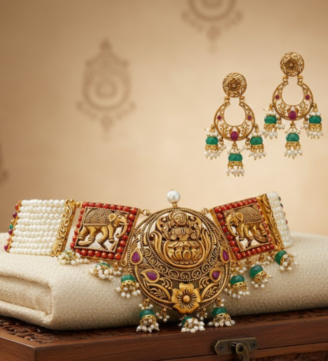
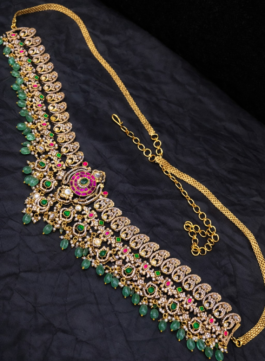
- Widely used for traditional jewelry
Advantages
- Good balance between purity and strength
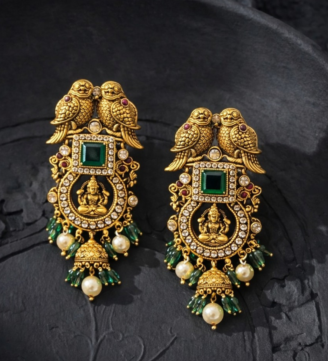
- Ideal for necklaces, bangles, and earrings
- Popular in countries like India for wedding jewelry
Disadvantages
- Slightly less pure than 24K gold
- Still softer compared to lower karat gold
18K Gold
18K gold contains 75% pure gold and 25% other metals such as copper, silver, or nickel. The higher amount of alloy metals makes it more durable and resistant to damage.
Features of 18K Gold
- Purity: 75% gold
- Hallmark: 750
- More durable than 22K and 24K
- Often used in modern and designer jewelry
Advantages
- Strong and durable
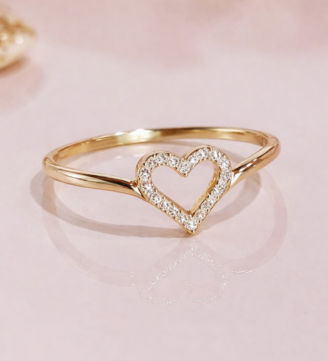
- Suitable for rings, bracelets, and daily wear jewelry
- Available in different shades like white gold and rose gold
Disadvantages
- Lower purity compared to 22K and 24K
- Slightly lower resale value
Quick Comparison of 24K, 22K, and 18K Gold
| Gold Type | Purity | Gold Percentage | Best Used For |
|---|---|---|---|
| 24K Gold | 24 Karat | 99.9% | Coins, bars, investment |
| 22K Gold | 22 Karat | 91.6% | Traditional jewelry |
| 18K Gold | 18 Karat | 75% | Modern and durable jewelry |
Which Gold Should You Choose?
The choice between 24K, 22K, and 18K gold depends on your purpose.
- If you want pure gold for investment, 24K gold is the best option.
- If you want high-purity traditional jewelry, 22K gold is ideal.
- If you want durable and stylish jewelry for everyday use, 18K gold is a good choice.
Conclusion
Understanding the difference between 22K, 24K, and 18K gold is important before buying gold. While 24K gold offers the highest purity, 22K gold is commonly used for jewelry, and 18K gold provides better durability for modern designs. By knowing these differences, buyers can choose the right type of gold based on their needs, budget, and purpose.