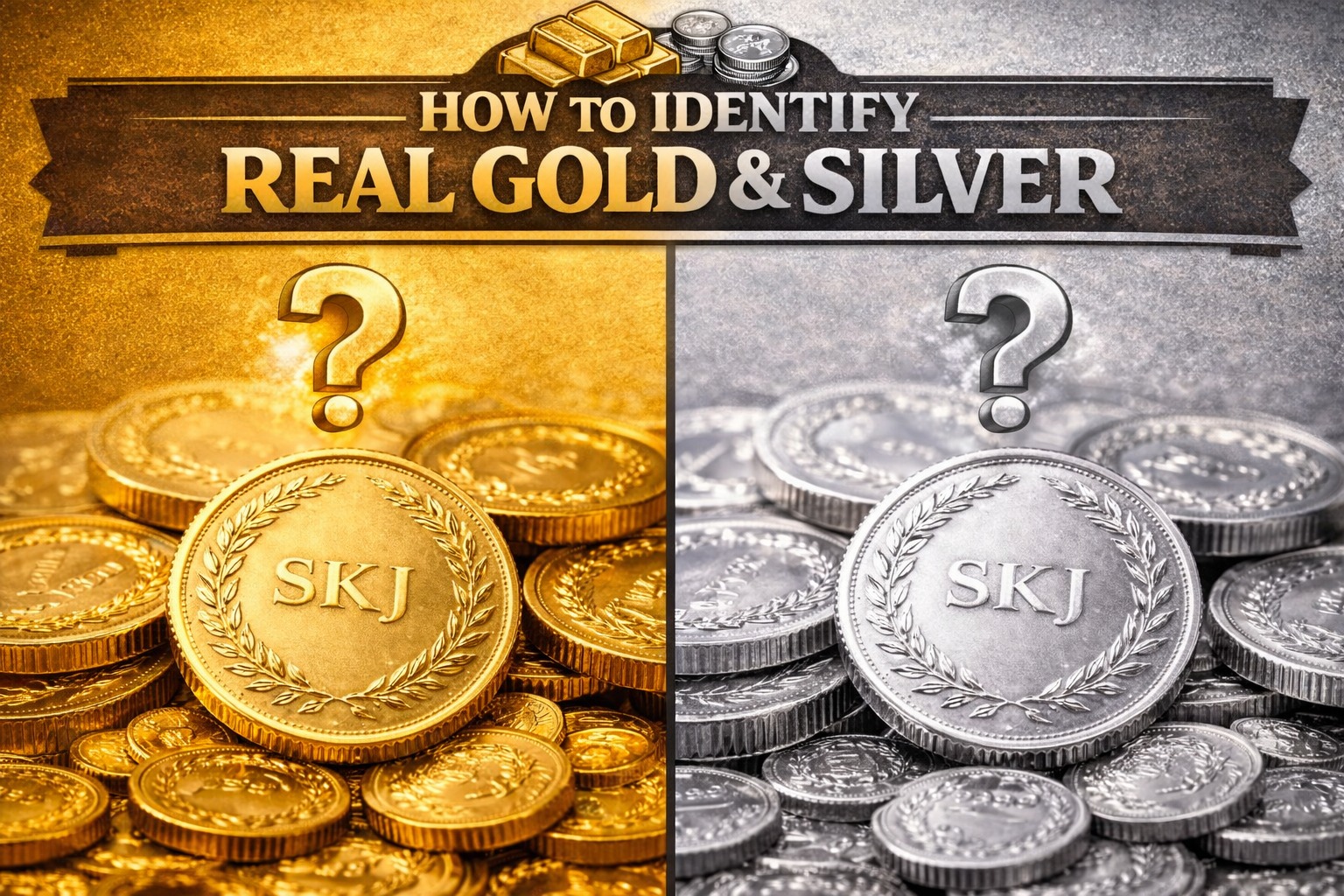
Gold and silver are valuable precious metals that are widely used in jewelry, coins, and investment products. Because of their high value, fake or low-quality metals are sometimes sold in the market. Knowing how to identify real gold and real silver can help buyers avoid fraud and ensure they are purchasing genuine products.
Why It Is Important to Check Gold and Silver Authenticity
Before buying gold or silver, it is important to verify its authenticity. Real precious metals maintain their value, durability, and resale price, while fake metals may lose value quickly. Checking authenticity helps buyers:
Avoid purchasing fake metals
Ensure correct purity and quality
Protect their investment
Get proper resale value in the future
How to Identify Real Gold
There are several simple ways to check whether gold is real.
1.Check the Hallmark Stamp
One of the easiest ways to identify real gold is by checking the hallmark stamp. Many genuine gold items include markings that show the purity of the metal.
Common gold purity marks include:
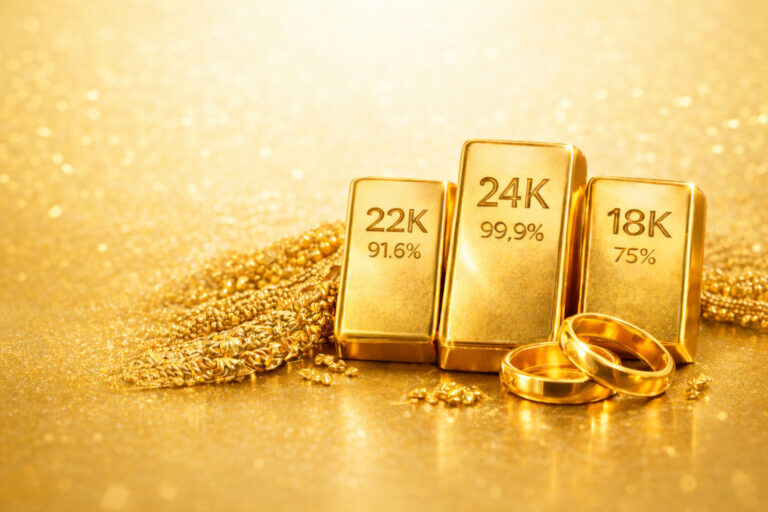
- 999 / 999.9 – 24K pure gold
- 916 – 22K gold
- 750 – 18K gold
- 585 – 14K gold
In India, genuine gold jewelry often carries the BIS hallmark, which confirms that the gold meets official purity standards.
2.Magnet Test
Gold is not magnetic. If a piece of jewelry strongly sticks to a magnet, it may contain other metals and might not be pure gold. However, this test alone cannot fully confirm authenticity.
3.Scratch Test
Real gold does not easily tarnish or change color. When lightly scratched on a testing stone, real gold leaves a gold-colored streak, while fake metals may leave a different color.
4.Professional Gold Testing
Jewelers use gold testing machines or acid tests to check purity. These tests give a more accurate result and are commonly used in jewelry stores.
How to Identify Real Silver
Just like gold, silver also has certain signs that help confirm its authenticity.
1.Check the Silver Purity Mark
Genuine silver usually contains a purity stamp that indicates the amount of silver in the item.
Common silver purity marks include:
- 999 – Fine silver (99.9% pure)
- 925 – Sterling silver (92.5% pure)
- 900 – Coin silver
These marks are often stamped on silver coins, jewelry, or utensils.
2.Magnet Test
Silver is also not magnetic. If the metal strongly sticks to a magnet, it may not be real silver.
3.Tarnish Test
Real silver may develop a slight black tarnish over time when exposed to air. This natural reaction indicates the presence of genuine silver. Fake silver metals usually do not tarnish in the same way.
4.Sound Test
When tapped lightly, real silver coins produce a clear, ringing sound, while fake metals usually produce a dull sound.
Professional Testing for Gold and Silver
For complete accuracy, it is best to test precious metals through professional methods such as:
- XRF gold testing machines
- Acid testing
- Certified jeweler verification
These methods provide reliable results and are commonly used in jewelry shops.
Tips for Buying Genuine Gold and Silver
To ensure you are buying authentic precious metals, keep the following tips in mind:
- Always check for hallmark or purity stamps
- Purchase from trusted jewelers or certified sellers
- Ask for a proper bill and purity certificate
- Avoid buying gold or silver at unusually low prices
Conclusion
Identifying real gold and silver is important for protecting your investment and ensuring quality. By checking hallmarks, purity stamps, magnet tests, and professional testing, buyers can confirm whether the metal is genuine. Always buy from reliable sources and certified jewelers to ensure authenticity and long-term value.